


Mitch’s Blog
The Next Luddite Revolution
Thursday, April 23, 2026
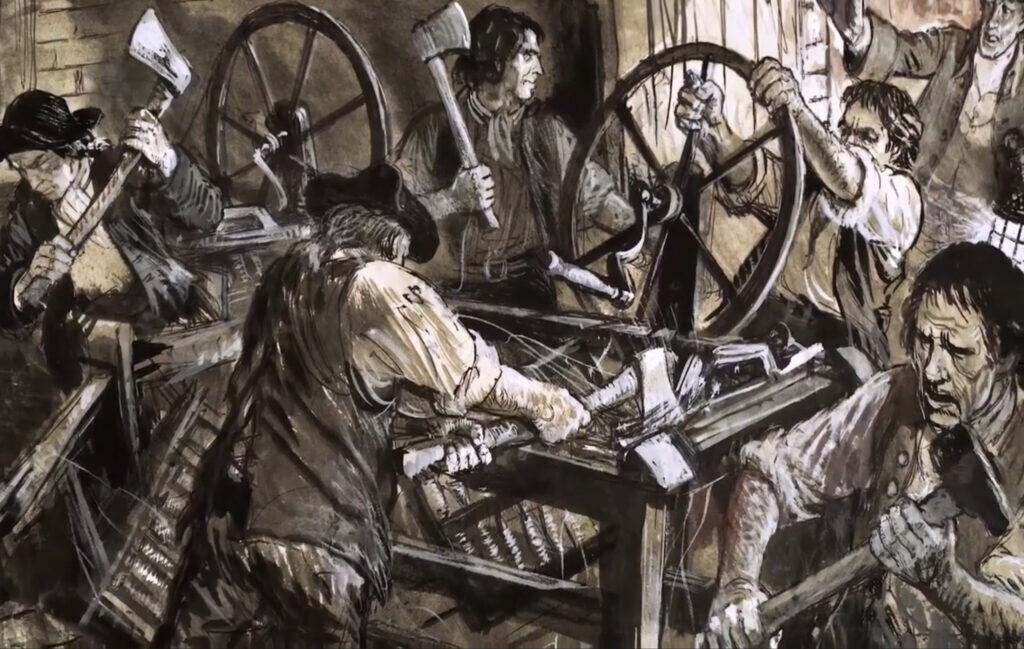
The Luddites were an early 19th century movement protesting new technologies that came along with the Industrial Revolution. They complained that some of these changes ruined their jobs, their lives, their world. Followers of the mythical Ned Ludd, they were ruthlessly put down by police at the behest of the factory owners interested in industrial efficiency.
To be called a Luddite has been an insult for quite a while now. Us old people who refuse or are unable to keep up on weekly changes in computer technology, online purchasing, or instantaneous financial transactions are the Luddite class. I know my kids don’t carry a notebook and pen to every meeting they attend, even if I still do. But they also don’t schedule their meetings at the coffee shop down the street. The joke about our 9 year old grandchildren teaching us how to perform basic digital tasks has been endlessly repeated beyond the point of caricature. The world is fully online, but we analog natives with ages in the high double digits are generally not.
This was true even before the tsunami of AI hit the airwaves. I can proudly claim to have never experimented with ChatGPT, nor looked at the AI summary at the top of my results in any Google search. I am clearly designated for extinction alongside the wooly mammoth and brontosaurus.
Which is why recent fearmongering news interested me. What drove my public confession of Luddism here was Matteo Wong’s article on Claude Mythos, part of a new generation of AI bots, which raises many kinds of nightmares Mythos uses AI power to troll any web program and identify the weaknesses in its security system and coding, using those weaknesses to hack their way inside. This includes banks, corporate vaults, national security programs, and infrastructure controls. As one of Wong’s interviewees said “You can have a million hackers at your fingertips.” Instantly. 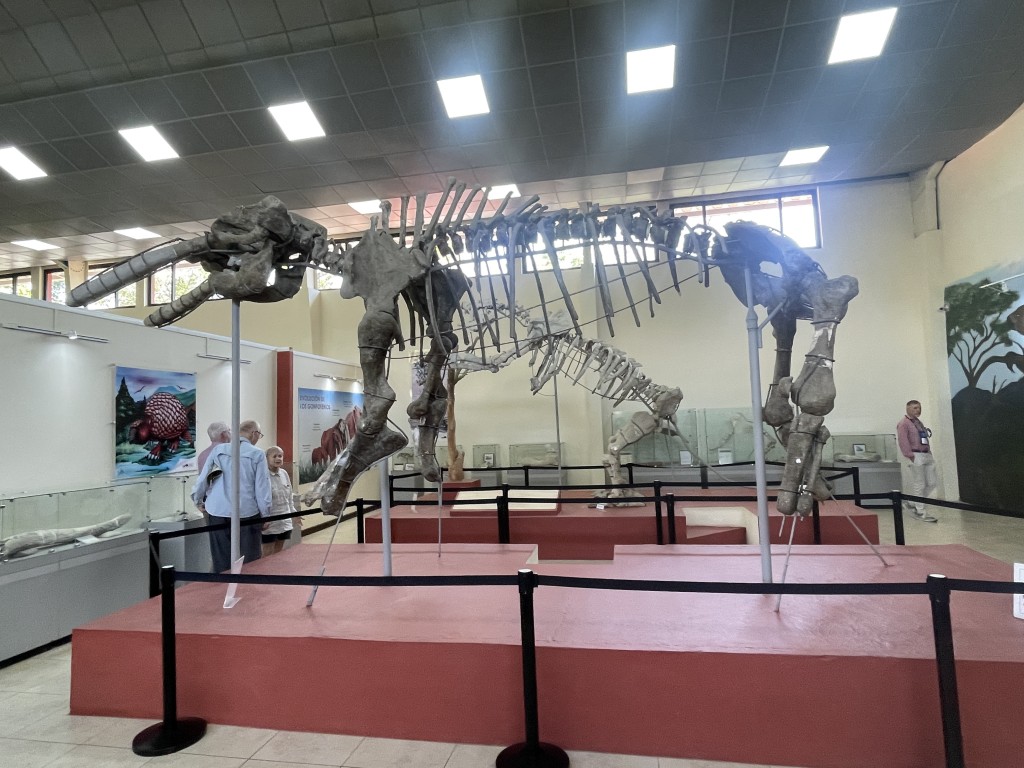
Anthropic, Claude’s parent company, is so far being responsible and keeping this program in of the hands of only government and a few key online companies who need to identify these weaknesses first. But if Claude has figured out this technology, someone else with fewer scruples has as well, or has access to Mythos.
The possibility of your bank account being magically emptied one day or the water system of your town mysteriously shutting down is now more than real. And it’s being tested as I write. Let’s not even go to the place where nuclear codes can be accessed by some kid in a basement in Dallas or Dubai.
It wouldn’t take more than the consequences of a couple of top level security breaches to begin the next Luddite era. Stock certificates existing only in printed form. Life savings stashed under the bed. Manuals for operating municipal sewer pipes kept on shelves in the workroom and the pipes themselves controlled by large switches. In other words, the world of 1967.
How capable are our digital native generations going to be to handle such a world? Waiting on line at the bank that keeps its records offline. Mailing a letter to a friend to bring them up to date on recent events. Taking your car to the shop rather than asking Tesla’s online team to fix a bug in the operations. There is an equally overplayed scene that caricatures our grandchildren attempting to figure out how to use a rotary phone. Slide rules, anyone? 
Will this be the fate of Gen B, to be forced to learn all of the analog skills that their parents and grandparents spent decades erasing in favor of the simplicity of a few digital keystrokes? If the day comes that you cannot trust anything that floats in a cloud, those floats that you inflate with your lungs may become the only options.
Not the first time in history that technology has regressed. Writing was almost lost during the dark age after the collapse of the Bronze Age. The simplicity of the alphabet for written communication was one of the results of that period. The collapse of Rome shrank the world of broad international trade, well constructed standardized roads, and aqueducts bringing water to dry communities. Humans have relearned most of those technologies and made them better.
Though we’ve had L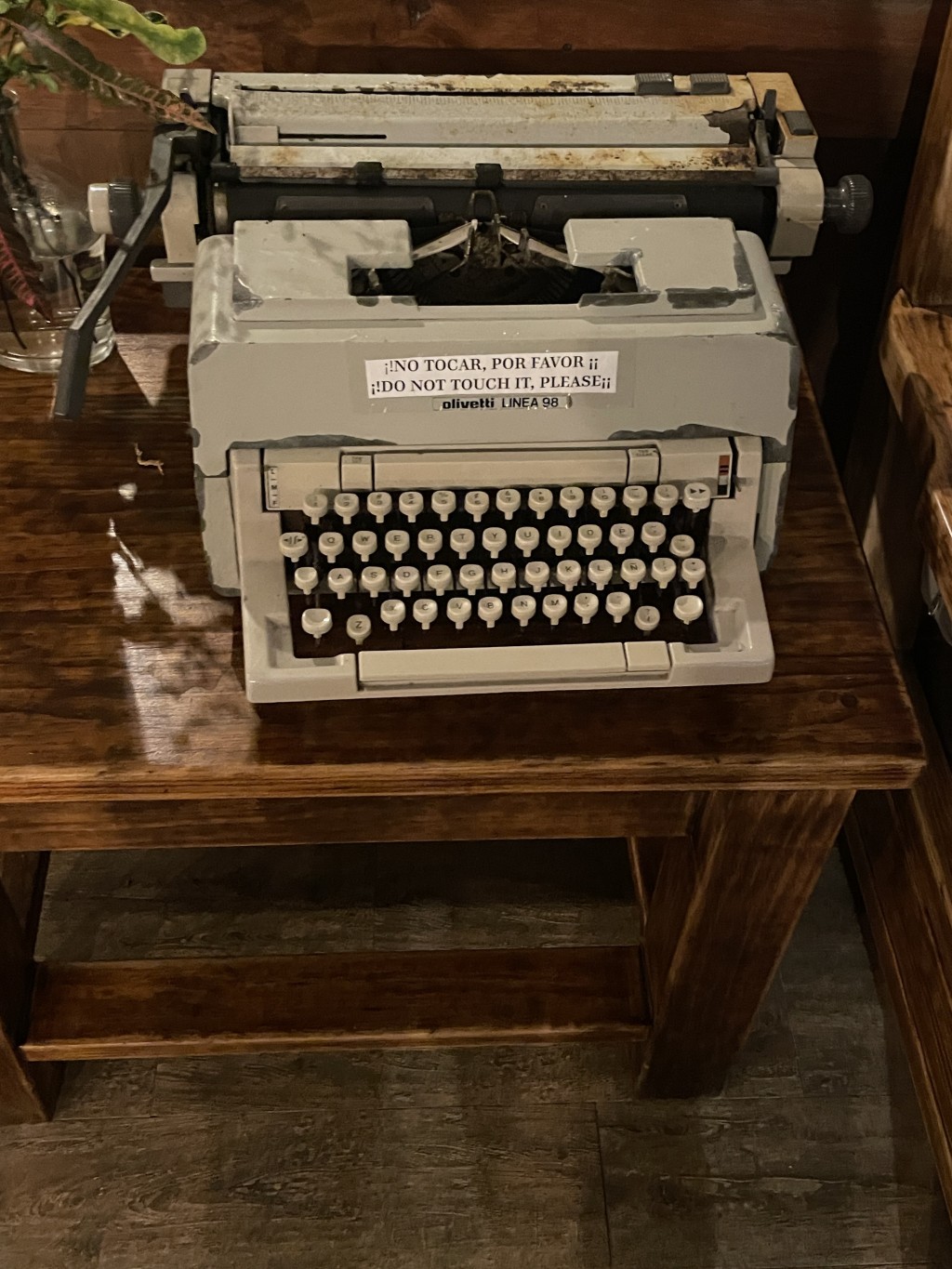 uddite periods before, they’ve all been results of broad societal collapse. While we hope that we will be around to allow Gen B to deliberately detechnologize to combat the threat that Claude Mythos poses, more likely one bad actor or another will bring crisis to the system before then. There are plenty of bad actors now in positions of wealth and power and an equal number of others wanting to bring down those of wealth and power. Somebody is going to flip the switch.
As I was putting this on my computer (but not into the cloud), I came across an BBC interview with a young woman named Cat Goetz, who has built a company Physical Phones that allows Gen Z folks to link their smart phones to an old style manual phone via Bluetooth to make calls. Those Princess phones won’t give you a weather forecast or tell you the score of the Dodger game. She is noticing an analog revival in her generation and a strong growth in her business selling telephones—over $100,000 worth in the first 3 days-- but worries that it is a temporary fad. And then there is that whole Bluetooth thing that would come crashing down if Mythos does its job.
Imagine, though, her Gen Z friends having to relearn a bunch of analog skills while being derided as inept by their Gen B grandkids. Too bad I won’t be around to gloat my response on my IBM Selectrix and mail it to the local newspaper.
(c) Scholarly Roadside Service
Back to Scholarly Roadkill Blog
Scholarly Roadside Service
ABOUT
Who We Are
What We Do
SERVICES
Help Getting Your Book Published
Help Getting Published in Journals
Help with Your Academic Writing
Help Scholarly Organizations Who Publish
Help Your Professional Development Through Workshops
Help Academic Organizations with Program Development
CLIENTS
List of Clients
What They Say About Us
RESOURCES
Online Help
Important Links
Fun Stuff About Academic Life



1250-I Newell Avenue #142 / Walnut Creek, California 94596
925.930.7504 / mitch@ScholarlyRoadsideService.com
ScholarlyRoadsideService.com © 2026 Scholarly Roadside Services